
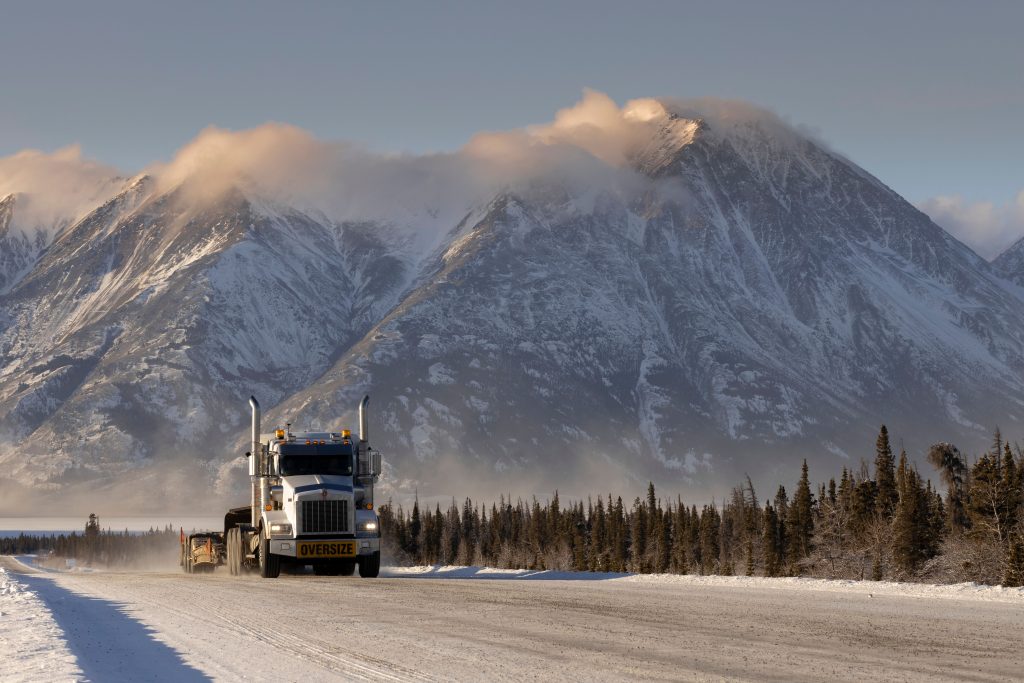
Getting into the Canadian trucking industry is an available choice for entrepreneurial drivers who want to be their own bosses. While thousands of independent owner-operators show that it can be done, it takes driving and deciphering an intricate set of regulatory requirements and business considerations.
Business Structure Alternatives for Canadian Owner-Operators
As an owner-operator in Canada, you’ll have two primary business structure types. As a sole proprietor, you have the privilege of a simple setup with lower startup costs, but incorporation offers a lot of protection against liability without much more paperwork.
The Canadian trucking industry is welcoming to new entrepreneurs, but being successful entails more than being a good driver. You’ll need to master a variety of critical areas of business operations. This includes appropriate registration and licensing of the company, understanding and compliance with commercial vehicle laws, having stringent safety compliance requirements, and developing strong financial management practices.
Additionally, an adequate understanding of procedures for cross-border operations is required for those planning to operate in a cross-border manner.
The best part? You’re not alone. Countless drivers have become successful entrepreneurs by methodically working their way toward success. The secret is to learn about the regulatory environment and make educated choices regarding your company structure, operations, and growth strategy.
Ready to take your place alongside thriving Canadian trucking business entrepreneurs? Let’s discuss the top issues you’ll want to look at as you launch your trucking business from the ground up.
1. Managing the Regulatory Environment
Regulatory needs must be carefully followed when establishing your trucking business in Canada.
Motor Carrier Number Requirements
A Motor Carrier number is mandatory for any trucking company operating along provincial borders or international routes. This easy-to-use identification number, provided by the Federal Motor Carrier Safety Administration, guarantees accurate tracking and compliance monitoring of your operations throughout your business life.
National Safety Code Standards
The National Safety Code has thorough safety standards for commercially operated trucking in Canada. These standards include the basics: driver qualification and training, vehicle maintenance schedules, hours of service, safety monitor systems, and detailed record-keeping. Meeting these standards is a top priority for compliant and safe operation.
Provincial Vehicle Registration Process
Commercial vehicle registration rules differ by province, with Ontario’s Commercial Vehicle Operators Registration being a provincial regulatory program. Registration typically includes vehicle safety certification, complete insurance documentation, weight and dimension compliance checking, and regular inspection record maintenance. Compliance and familiarity with these provincial rules are necessary for lawful operation.
Safety Standards and Inspections
Commercial trucks are subject to strict safety codes, and mandatory tests are typically conducted every six months. The precise frequency and scope of the test will depend upon the truck’s nature, the type of load carried, and its geographical location. Regular tests provide ongoing assurance of the reliability and security of your fleet according to provincial regulations and industry demands.
These regulations seem daunting, but they provide a foundation for safe and legal business. Studying and implementing these requirements guarantees protection for your company, your drivers, and other traffic users and conformity to Canadian transport laws.
2. Licensing, Certification, and Insurance Essentials
Registering your trucking business on the ground entails specialized licensing, certification, and insurance for lawful operation in Canada. What you will need to acquire includes:
Commercial Driver’s License Requirements
You need a Class 1 license, also known as CDL, for driving commercial trucks. The license validates your competence in driving trucks of specific size and weight. You’ll need to:
- Complete required training hours
- Pass written examinations
- Successfully complete practical driving tests
- Maintain a clean driving record
Hazardous Materials Transportation
If you’re planning to transport dangerous goods, you’ll need additional certifications:
- TDG Certificate (Transportation of Dangerous Goods)
- Special endorsements on your commercial license
- Regular renewal of hazmat certifications
- Compliance with specific loading and unloading protocols
Essential Insurance Coverage
Your trucking company requires complete insurance coverage. The following are the main types of coverage to cover:
Commercial Vehicle Insurance
This also covers physical damage insurance on your trucks, third-party property damage insurance caused by your trucks, and freight insurance, depending on the type of cargo you carry. The amount to be covered may change with the type of cargo carried, the areas you work in, the value of your vehicles, and the risk evaluation of the insurer.
You will need workers’ compensation insurance if you’ll have other drivers working for your trucking company. It insures employees against accidents and injuries that they may suffer in the course of their work. You’re warned that coverage under workers’ compensation insurance will be provincially and territorially unique.
Other Coverage Available
You may also get additional coverages in addition to workers’ compensation insurance and commercial vehicle insurance. Non-owned trailer insurance will cover you when you are operating another person’s trailer, but for business reasons. Business interruption insurance will ensure that the payment of revenue replacement is covered in case your trucking company suffers loss of business due to occurrences such as natural disasters or accidents.
Commercial general liability insurance protects your business against third-party bodily injury or property damage lawsuits that happen on your premises or as a result of operations. Umbrella insurance offers extra liability coverage beyond the limits of your foundation policies.
Your individual insurance requirements will depend on a number of factors, including the kinds of goods you transport, the regions in which you operate, and the scale of your enterprise. In order to guarantee that you carry the appropriate combination of coverages for your enterprise, it is a good idea to employ an experienced commercial trucking insurance broker.
3. Financial Management and Tax Obligations
Compliance with taxes is the secret to the success of your trucking company in Canada.
Financial Requirements for Your Trucking Business
Business Number Registration All Canadian trucking companies have a Canada Revenue Agency (CRA) business number. The 9-digit identification number makes tracking your business activities and tax reporting easier. You can easily get this number for free on CRA’s website, and it will be your business identifier in many government programs.
GST/HST Registration Requirement At $30,000 of revenue, you will need to register for GST/HST. This will require you to report all your business dealings, charge GST/HST on your customers, make regular GST/HST returns, and keep elaborate books and records. Correct administration of these obligations is imperative to tax compliance.
Cost Control
Proper expense control entails keeping detailed records of fuel, maintenance, tolls, and business travel. To make this easier, it would be wise to use computer accounting programs designed for trucking businesses. Have all receipts and documents at hand for tax filing purposes, as these will prove useful while filing taxes.
Quarterly Tax Planning
Successful tax management requires setting aside a portion of your income for tax payments and planning for quarterly tax installments. Tracking deductible expenses throughout the year and maintaining separate business and personal banking accounts will help ensure smooth financial operations. These practices create a stable foundation for your trucking business while ensuring compliance with Canadian tax regulations.
4. Managing Operating Costs and Ensuring Vehicle Maintenance
Maintenance of a successful trucking business means keeping a keen eye on operational expenses and repair of vehicles. These are the areas that you need to be watchful about:
Important Operating Expenses: The sustained performance of your trucking business entails a sharp look at important operating expenses, which consist of fuel expenses, maintenance and repair, toll charges, insurance fees, license fees, and equipment depreciation. They have a direct influence on your bottom line.
Smart Fuel Management: Fuel management is crucial for cost control. It’s important to track fuel consumption patterns and monitor price variations across routes. Include fuel surcharge arrangements in contracts to offset volatile changes. Utilizing fuel-savvy driving habits can even cut costs further. Accounting tools for tracking and analyzing fuel consumption will give deeper insights into offsetting this key cost.
Major Maintenance Needs: Maintenance is needed to guarantee the extended lifespan and reliability of your fleet. Schedule regular maintenance check-ups and maintain good records. Adhering to provincial safety standards is mandatory, and routine inspections every six months are a must. Repairing things promptly can prevent expensive breakages that can cause delays in operations.
Vehicle Safety Standards: The National Safety Code regulations do not allow shortcuts to maintaining operational standards. Trucks need to be well maintained and in a healthy state, and all test results must be documented appropriately. Adhering to the manufacturer’s service interval recommendations and possessing up-to-date inspection certificates are standout areas of safety regulation compliance.
Cost-Saving Tactics: Finances can be saved by establishing relations with reliable repair shops and obtaining preventive maintenance packages. Keeping a stock of spare parts for regular repairs will minimize downtime. Periodic tire wear and pressure inspection are also techniques for maximizing tire life and fuel efficiency. Maintenance of off-peak hours will also maximize your operating efficiency at a lower expense.
Don’t forget to include potential downtime for repair in your planning. A well-maintained truck is not just regulation-compliant – it’s about maintaining your investment and giving consistent service to your customers.
5. Building Contracts, Client Relationships, and Cross-Border Operations Considerations
Maintaining sound business relationships and comprehending cross-border operations are essential components of your trucking business’s success. The following is what you should know about contracts and foreign operations:
Contract Management with Brokers and Shippers
A successful trucking operation highly depends on solid contract management. Contracts must carry several important clauses when dealing with shipping carriers or brokers. Payment structures need to be clearly specified with accurate rates, payment timelines, and fuel surcharge details.
Operational details must clearly define loading and unloading responsibilities along with delivery timelines. The service scope should specify the types of loads you’ll handle and your geographical coverage area. Additionally, risk distribution should be carefully outlined through liability terms and damage responsibility clauses.
Direct Client Relationships
There are two major sources of procuring business leads in the trucking industry. Employing brokers has various benefits, such as ongoing employment opportunities, ease of receiving payments, and professional management of contracts. This partnership can lead to stability and minimal administrative time.
However, procuring direct customers involves more relationship-building efforts but allows for higher profitability and autonomy in logistics management. This strategy also enables direct collection of payments and billing, which can assist in better managing cash flow.
Cross-Border Operations Requirements
For U.S.-Canada operations, you’ll need to comply with several programs:
CBP Requirements
- Pre-clearance system registration
- FAST (Free and Secure Trade) program enrollment
- Unified Carrier Registration (UCR) compliance
Additional Cross-Border Considerations
- International Fuel Tax Agreement (IFTA) registration
- Electronic logging device compliance
- Border crossing documentation
- Customs declaration procedures
Your global success depends on accurate documentation and staying up to date with worldwide transportation laws. Knowledge of these requirements allows you to successfully cross borders and keeps your operation viable worldwide.
Leasing vs Owning a Truck: How to Make the Right Choice for Your Business
Leasing or owning a truck can greatly affect your trucking company’s bottom line and operational freedom. Here’s what you need to know:
Benefits of Leasing
Leasing a truck favors trucking companies in various ways. The owners are able to utilize newer trucks with advanced technology to be more competitive in the market. Lower initial capital makes it easier to start or continue a business. Fixed monthly payments make budgeting and planning easier, and the reduced maintenance obligation gives the owner room to concentrate on core operations. The ability to upgrade vehicles more often keeps your fleet up-to-date and productive.
Benefits of Ownership
Truck ownership offers unique advantages for long-term business expansion. Owning your truck establishes equity in your assets, building valuable business wealth. Over time, ownership is likely to achieve long-term savings on expenses compared to ongoing lease fees. Owners can tailor their trucks to individual business needs and operating conditions. No mileage limits to concern yourself with, and owners can take advantage of tax benefits through vehicle depreciation.
Cost Considerations
The financial implications of both options require careful evaluation. Leasing has fixed monthly payments, insurance, and fuel charges, giving business planning stable expenses. Ownership has a significant initial down payment, loan payments, maintenance charges, insurance, and fuel costs. Although ownership’s financial expense is greater initially, the long-term financial gain can be more than the initial cost.
Your decision should be appropriate to your business model and ability to pay. A lease may be better if you like newer equipment and want monthly payments. Truck ownership is less expensive in the long term if you are willing to do maintenance and have sufficient funds for a large down payment.
Pro Tip: Determine your estimated revenue, operating expenses, and available funds prior to making a decision. Be aware that owning comes with greater responsibility for upkeep, while leasing provides versatility with newer trucks and possibly less initial expense.
Choose Supreme Truck and Trailer Repair
Entering into Canada’s trucking business is not an easy job, but with meticulousness, planning, and regulatory compliance, thousands of successful owner-operators have shown it can be done. Your success lies in comprehending the intricacies of registering your business, licenses, and tax owed and managing operations.
Here to be of service to your trucking business venture. Supreme Truck Repair’s skilled diesel technicians maintain your fleet in prime working condition and at peak performance and reliability. Routine maintenance ensures your business stays booming and meeting safety standards.
Ready to introduce your trucking business venture? Call Supreme Truck Repair today at (403) 603-0274 for professional diesel repair and maintenance services, with your trucks performing at their best on Canadian highways.