
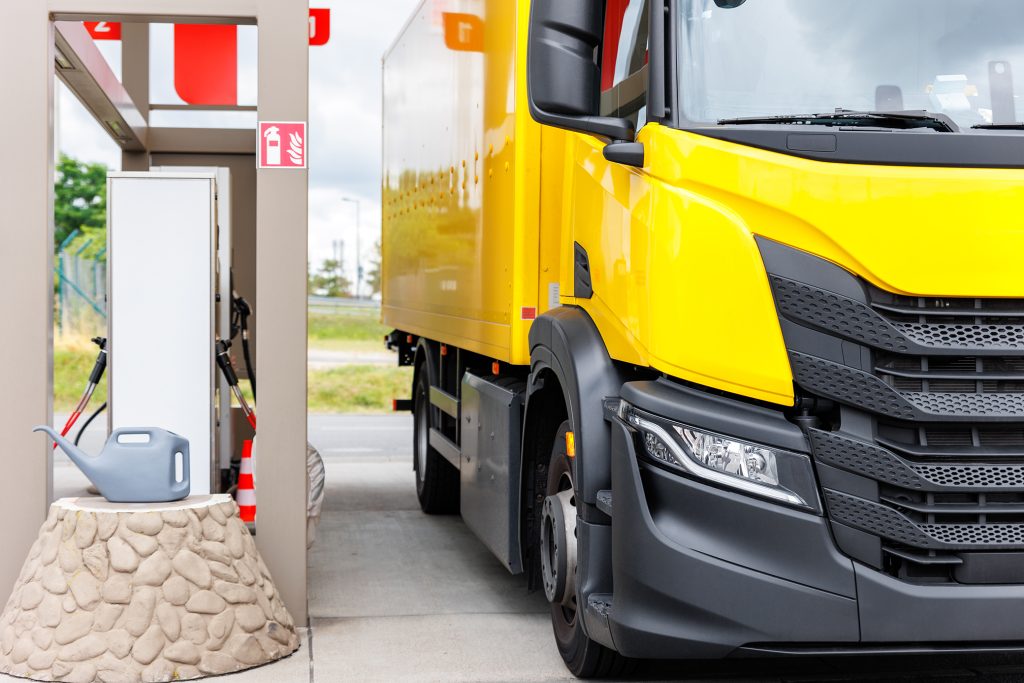
For owner-operators and fleet operators, whether to hire Scania or Peterbilt trucks is a matter of ultimate value. Both the giants stand for different ideologies of truck production – European excellence of engineering versus American truck tradition.
The 2025 models by these companies reflect some of the many responses to the challenges of trucking in the modern era. Scania introduces its iconic R770, embodying European design and technological sophistication. Peterbilt moves to counter with its model 589, reimagining classic American trucking history through modern innovation.
Your decision among these two rivals can be the determining factor in numerous areas of your trucking business. Operating efficiency is a basic aspect, with each truck having a distinctive fuel economy and maintenance specifications that directly affect your bottom line. Driver satisfaction then becomes just as critical as varying comfort and cabin settings are driving driver performance and retention.
Business economics is an important factor in the decision-making process since initial cost, operating cost, and resale value vary considerably between the two brands. Performance capability is also an important consideration, with engine power, torque, and handling characteristics varying considerably between the two manufacturers.
These variations are essential for trucking in Canada. The harsh weather and mixed terrain demand trucks that can provide reliability, comfort, and performance under tough conditions.
This article will compare Scania and Peterbilt trucks in-depth, comparing attributes like engine details and comfort aspects. We aim to give you the information you require to make an informed choice regarding which truck model suits your needs.
Overview of Scania R770 and Peterbilt 589
The 2025 Peterbilt 589 and the 2025 Scania R770 are two vastly dissimilar models of heavy-duty trucking. The Scania R770 demonstrates European engineering through its flat-face styling and its cab-behind-steer-axle design. It comes equipped with a high-torque 16.4L engine that makes 770hp and 2750ft-lbs of torque and is mated to a 13-speed automated manual transmission.
The Peterbilt 589 is a real vintage American truck with a forward-of-cab axle configuration and a long hooded design. The engine underneath features an X15 Cummins delivering 605hp and 250ft-lb of torque along with an Eaton Fuller 18-speed transmission.
Key Differences
The Scania R770 and the Peterbilt 589 each have a number of distinct differences in their design strategies. The Scania R770 includes side skirts as one of its primary safety features, designed to protect pedestrians in urban areas. The Peterbilt 589 focuses on lighting technology, with halogen lighting systems as an optional addition and LED upgrades available for cab and tail lights.
As far as DEF tank placement is concerned, Scania takes the more subtle approach by placing it under the frame, while Peterbilt is more traditional in its method, with steel bumpers having plastic facing for strength and appearance. Aside from these differences, though, both manufacturers have provided driver comfort through the design of their trucks to accommodate spacious 60-inch sleeper arrangements so long-haul drivers can have adequate resting space during their trips.
Design and Build Quality
Both the Scania R770 and Peterbilt 589 possess unique design philosophies that set them apart from other heavy-duty trucks.
Scania R770 Design Elements
The Scania R770 incorporates a high-technology European design philosophy with the cab-behind-steer configuration of its axles, differing from conventional truck designs. The truck has designed side skirts that are aerodynamically beneficial and safer for people on city streets. Its fenders also include functional removable hoods for ready access during repair work.
Functionally, R770 features a narrowly covered DEF tank under the frame that breaks lines to optimize space use. The aluminum fuel tanks are incorporated into the side skirts seamlessly for aerodynamics and aesthetics. Contributing to its overall utility design, the exhaust system offers the option of flexible placement, either rear or below truck, for maximum accommodation.
The overall quality of the build is seen in the factory gloss smooth finish on frame parts, a testament to Scania’s focus on detail, function, and form in their design realization.
Peterbilt 589 Exclusive Features
The Peterbilt 589 also boasts a traditional long hood look epitomizing American trucking heritage. The lighting concept merges contemporary technology and classic styling through the use of halogen main lights augmented by LED elements throughout, including projector headlights, fog lights, cab lights, and rear lights.
Among the distinctive design features is the outer breather, which has been deliberately cut half-cut for the overall value of the design of the truck. The construction exhibits a blend of style and strength, with an inner bumper made of plastic-coated steel and the full aluminum wraparound grill incorporating functionality and style.
The truck features cab-forward axle alignment on air suspension to provide optimal weight distribution and ride quality. Factory tail lights are installed in the proper position, utilizing rubber mounting points to dampen vibration, enhance component life, and preserve the neatness of the vehicle’s appearance.
The differences in build quality are a reflection of the local emphasis of each builder. Scania’s European appearance optimizes aerodynamics and safety features, while Peterbilt’s American appearance focuses on the traditional trucking appearance. The Scania R770 is the ultimate attention to detail with its factory-finished shine, needing little effort after production. The Peterbilt 589 maintains its iconic status through robust construction, though it needs additional finishing touches like sanding for a show-quality appearance.
Performance Specifications Comparison
The heart of any truck lies in its engine performance, and these two giants bring distinctly different power configurations to the table.
Scania R770 Power Specs:
- 16.4L engine
- 770 horsepower output
- 2,750 ft-lbs of torque
- Non-VGT turbo configuration
- 13-speed automated manual gearbox
Peterbilt 589 Power Specs:
- X15 Cummins engine
- 605 horsepower output
- 250 ft-lbs of torque
- VGT turbo system
- Eaton Fuller 18-speed transmission
- Air-over-hydraulic clutch system in newer models
The Scania R770 delivers significantly higher power output, with an advantage of 165 horsepower and substantially more torque. This power difference translates into enhanced pulling capacity, making the R770 capable of handling loads up to 100 tons.
The transmission systems reflect each manufacturer’s distinct approach to power delivery. Scania’s 13-speed automated manual gearbox offers a streamlined shifting experience, reducing driver fatigue during long hauls. The Peterbilt’s Eaton Fuller 18-speed provides additional gear ratios for precise control, featuring a traditional clutch pedal setup that many experienced drivers prefer.
Engine accessibility varies between the two models. The Peterbilt requires the removal of the radiator, hood, cab, and transmission for major engine work. The Scania follows a similar pattern but with its own unique configuration, requiring cab opening, radiator access, and transmission removal for comprehensive engine maintenance.
Fuel Efficiency and Emissions Standards Analysis
The Scania R770 and Peterbilt 589 take different approaches to managing emissions and DEF usage, directly impacting their diesel efficiency.
DEF Tank Configuration
Scania R770 has an ideally positioned DEF tank in a hidden position beneath the frame, with fill-up spouts at the passenger and driver sides of the truck that are simply accessible. Peterbilt 589 offers flexibility in where the DEF tanks are placed, with operators having the ability to tailor the arrangement to suit their specific operation needs.
Emissions Technology
The Scania uses a streamlined emissions strategy with a non-VGT turbo design that doesn’t include an EGR system. Although this creates higher DEF consumption rates, it keeps the overall emissions control complexity considerably lower. The Peterbilt uses a different strategy, with a VGT turbo setup accompanied by an EGR cooler system.
This configuration recycles cooled exhaust gas and lowers NOx concentrations via a regeneration process. While the Peterbilt uses less DEF, the truck needs scheduled regeneration cycles involving low-speed operating to ensure its best emissions efficiency.
The functional emissions system behind the Scania R770 is based on maintaining simplicity, while the Peterbilt 589 has complete EGR technology centered around balanced DEF utilization. The two designs are a testament to two kinds of engineering approaches in creating present-day emissions rules with maximum fuel efficiency.
Comfort Amenities and Interior Space Analysis
This divergence in interior comfort between the two trucks is a testament to diverging design philosophies. The Scania R770 puts driver comfort first with its top-shelf seating system, extremely adjustable seats, and greater lumbar support. The cabin boasts a complete air ride system featuring airbags at the four corners of the cabin for excellent stability during long hauls.
The Peterbilt 589’s Cabin Design
The Peterbilt 589’s cabin design takes a different approach, featuring Sears Seating-manufactured seats with Peterbilt branding and a solid-mounted front cab with rubber bushing pivot point. The air ride suspension is limited to the sleeper area, creating a distinct riding experience compared to its competitors.
Interior Technology & Amenities
Scania R770
- Apple CarPlay integration as standard
- Electronic parking brake system
- Spacious interior layout
Peterbilt 589
- Sirius XM and Bluetooth radio (with noted connectivity issues)
- Two cup holders per door plus a center console
- Optional 110-volt inverter
Both trucks offer 60-inch sleeper configurations, yet the Scania provides noticeably more interior space. For additional comfort, Iowa Customs can outfit the Peterbilt with custom installations, including a microwave and a 12-volt Dometic fridge – replacing the standard refrigerator known for durability concerns.
Maintenance Accessibility and Serviceability Overview
When it comes to maintenance accessibility, the Scania R770 and Peterbilt 589 showcase distinct approaches to service-friendly design.
The Scania R770’s innovative air ride control system allows technicians to lift the entire truck, creating ample space for undercarriage access. This feature proves invaluable during routine maintenance and repairs, reducing service time and improving efficiency.
For engine work, both trucks require specific procedures:
Scania R770
- Access through cab opening
- Radiator removal capability
- Transmission removal when needed
- Air filter located in front intake tube below step
Peterbilt 589
- Hood opening for engine access
- Radiator removal required for major repairs
- Cab and transmission removal for extensive work
- Power steering fluid check requires cab access
It requires specialized know-how for the maintenance needs of the newest diesel engines. Professional diesel service is required to maintain these heavy trucks with the highest performance capabilities and lifespan. A periodic maintenance cycle and professional maintenance prevent untimely breaks and ensure maximum performance levels for both models.
The varying design philosophies of each manufacturer create individualized service points that technicians need to become accustomed to, and specialized information is thus required in order to get it correct.
Customization Options from Iowa Customs for Both Models
Iowa Customs offers an extensive range of truck accessories customization options for both the Scania R770 and Peterbilt 589.
Peterbilt 589 Custom Parts
The Peterbilt 589 provides wide-ranging opportunities for customization with custom-designed visors, replacement grills, and rear light bars. Other options include deck plates, heat shield upgrades, and rear panel replacements for factory tail lights, all aimed at improving aesthetics and functionality.
Scania R770 Accessories
For the Scania R770, an equivalent series of visual enhancements exists, complemented by customized storage solutions and customized mounting systems. These add-ons are meant to preserve the initial personality of the truck while introducing personalized elements.
These customization options are easily available through Iowa Customs’ various platforms, such as their website, iowacustoms.com, and also on their Facebook and Instagram social media accounts, where you can browse the entire list of available changes.
These aftermarket upgrades enable you to customize your truck without compromising its performance or functionality. The custom components are made to match your truck’s original specifications.
Choose Supreme Truck and Trailer Repair
The side-by-side contrast between Scania R770 and Peterbilt 589 shows obvious benefits in various trucking applications. Scania R770 is the leader with its 770hp engine and contemporary amenities and would be more appropriate for owners who are concerned about sheer power and contemporary amenities. The timeless looks and tried-and-true reliability of Peterbilt 589 would be most appropriate for owners who are concerned with classic beauty and uncomplicated maintenance.
Your decision must comply with:
Operational Requirements – Think about your average payload, route settings, and fuel efficiency needs
Driver Comfort Options – Think about cabin space, seat adjustment, and entertainment
Maintenance Accessibility – Think about how well your maintenance personnel understand various systems
Both trucks are significant investments for your business, so proper maintenance is a must in order to protect your assets. Supreme Truck Repair provides cutting-edge diesel repair for American and European trucks to keep your truck in top shape regardless of the direction you choose to go.
Ready to Keep Your Truck Running at Its Best
Our expert technicians understand the unique requirements of both Scania and Peterbilt models. We provide specialized maintenance programs tailored to your specific truck model. Call us at (403) 603-0274 for professional heavy-duty truck maintenance in Canada.
Your truck’s performance is our priority – let’s work together to maximize your investment.