
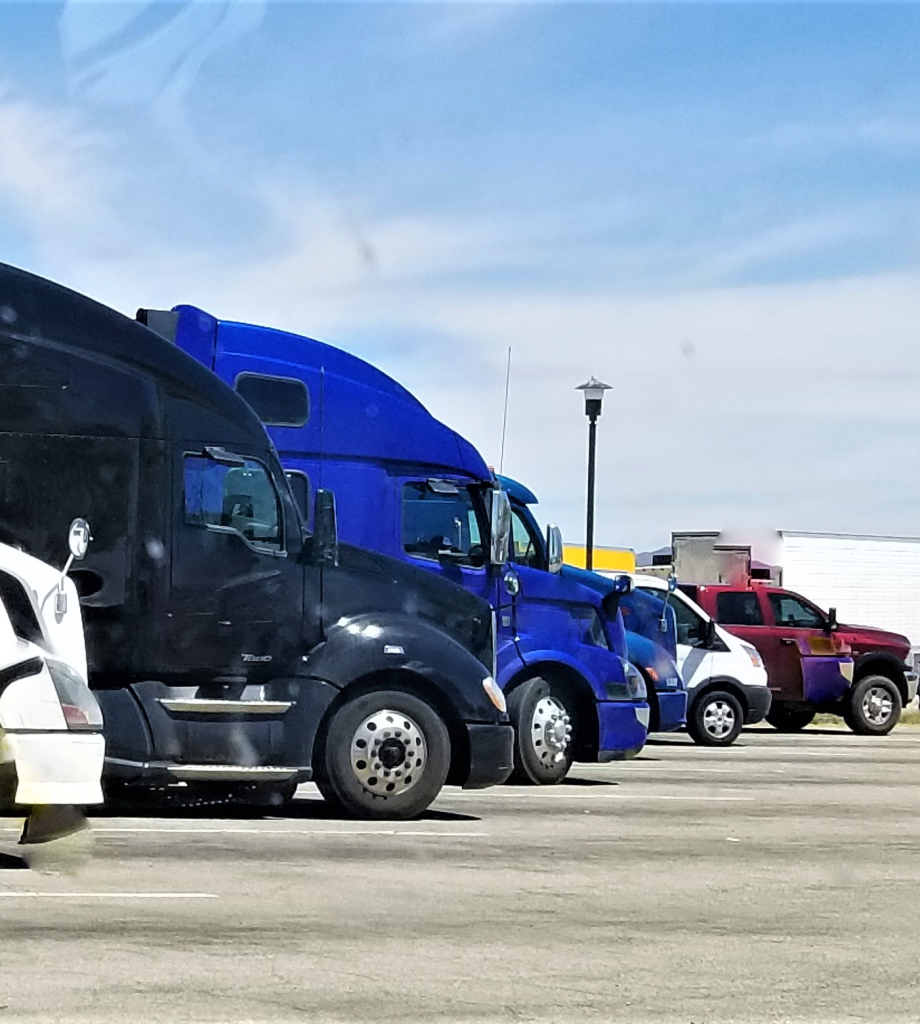
The Quebec Association of Trucking is concerned with road safety due to the increasing number of unlicensed truck drivers on the roads of Canada. They have observed something alarming: even as total trucking accidents declined from 11,000 in 2018 to 9,000 in 2023, deadly crashes are a massive issue!
The study by the association brings forth shocking habits of non-trained drivers, such as the use of cell phones and watching movies while driving, and a general absence of proper knowledge about safety measures.
Such habits identify the need for properly training truck drivers. There were 57 fatal trucking crashes in Quebec alone in 2023, which shows the immediate need for strong training measures.
The situation has been so severe that Quebec’s Trucking Association now demands immediate action from the government, including an investigation into safety regulations.
The Current State of Trucking in Quebec and Ontario
The trucking industry in Ontario and Quebec shows significant differences in driver qualifications and safety standards. Quebec has strict requirements in place, including almost free training programs to ensure drivers are competent. This organized method is in direct contrast to the current situation in Ontario.
Ontario’s Challenge
Ontario’s trucking industry is facing a critical challenge – an unprecedented demand for drivers. This pressure has led companies to make questionable hiring decisions. As reported by Quebec’s Trucking Association:
- Companies are hiring drivers with minimal training
- No classroom instruction requirements
- Limited road safety education
- Rushed certification processes
The situation has become so concerning that Quebec’s Trucking Association has taken a bold step, requesting the government to launch a public inquiry. Their decade-long lobbying efforts highlight the urgency of addressing these safety concerns.
Problems on the Road
The 401 highway, a major route connecting these provinces, has become particularly problematic. Quebec truckers call it “one of the most hazardous roads.” The divergence of provincial standards makes it a complex situation when truck drivers of varying qualification levels travel on the same roads, endangering all passengers.
Risks Due to Unqualified Truck Drivers
The existence of incompetent truck drivers on the roads of Quebec and Ontario has raised serious safety issues. Reports by Quebec’s Trucking Association show deplorable driving habits:
- Distracted Driving: Drivers are found to make use of mobile phones while driving
- Dangerous Entertainment: Some truckers watch movies on TV cameras mounted in their cabins during active driving
- Poor Road Awareness: Unsafe stopping distances and inappropriate braking patterns have been observed
The result of such unsafe practices is clear in current accident data. While the overall number of trucking accidents fell from 11,000 in 2018 to 9,000 in 2023, fatal crashes are still a major concern. Quebec’s auto insurance board recorded 57 fatal trucking crashes in 2023, showing the horrific outcome of poor driver qualification.
The problems are the result of inadequate training under Ontario’s system of licensing. Drivers can now get their licenses without undergoing in-class instruction, acquiring appropriate on-road practice, or receiving extra safety training.
These loose requirements are compared to Quebec’s regulated system in which extensive training courses equip truckers with skills to manage real conditions. The scenario becomes especially dangerous around evening hours, and their safety levels are much lower for experienced truckers between 6 PM and midnight.
Comparison of Driver Training Programs Between Quebec and Ontario
The gulf between Ontario and Quebec truck driving training programs suggests how far apart road safety standards are. Quebec’s driver training policy is remarkable for its highly comprehensive, essentially cost-free training program for future truckers. This accessible education system ensures qualified drivers enter the industry without financial barriers.
Ontario’s training landscape presents a different picture:
- No mandatory in-class training requirements
- Limited practical experience prerequisites
- Compromised testing systems identified by CBC’s Marketplace investigation
- Widespread fraud in licensing procedures
Quebec’s structured approach includes:
- Rigorous in-class education
- Extensive practical training
- Strict licensing protocols
- Government-subsidized programs
While both provinces face challenges with training compliance, Quebec maintains stricter oversight of its trucking schools. The Quebec Trucking Association acknowledges some schools attempt to bypass regulations, but the issue remains significantly less prevalent compared to Ontario.
These training disparities create a ripple effect across provincial borders.
Quebec-based truckers report heightened safety concerns when entering Ontario highways, particularly the 401, which they now consider one of North America’s most dangerous routes. The difference in training standards becomes apparent through driver behavior and road safety statistics between the two provinces.
Government Response and Industry Recommendations for Safer Roads
Quebec’s Trucking Association’s decade-long lobbying efforts have reached a critical point. The association has presented multiple pathways to address the safety concerns:
- Creation of a public inquiry
- Establishment of a legislative committee
- Formation of an interministerial committee
The transport minister’s office has acknowledged these pressing concerns. In a written statement, they confirmed they’re actively analyzing the association’s requests and developing solutions to strengthen trucking regulations.
The association is seeking to strengthen the authority of the workplace safety board by providing it with greater powers to investigate licensing discrepancies, Improved resources for roadside license checks, and more rigorous enforcement abilities.
These recommendations aim to create a robust system for identifying and addressing safety violations. The suggested reforms would allow the authorities to carry out in-depth investigations into suspicious licenses and enforce compliance with safety standards in the sector directly on the road.
The push for more stringent regulation by the industry indicates a growing demand for systematic reform in trucking safety regulations. These measures would help ensure only qualified drivers operate commercial vehicles on Quebec’s roads.
Impact on Road Safety, Accident Trends, and Preventive Strategies
Recent data from Quebec’s auto insurance board reveals significant shifts in trucking accident patterns:
2023 Statistics:
- 57 fatal trucking accidents
- ~9,000 total trucking incidents
2018 Comparison:
- 67 fatal trucking accidents
- ~11,000 total trucking incidents
While these numbers suggest an encouraging downward trend in total accidents, safety concerns persist. The Quebec Trucking Association reports a troubling uptick in deadly accidents during early 2024, though official figures are pending verification.
Time of Day and Road Safety
Time of day also has a large impact on road safety. Even seasoned truckers driving in the evening from 6-7 and through to midnight can feel a lot less safe on the road.
Key Safety Measures Needed
In order to address these challenges, essential safety procedures must be established, such as enhancing roadside license checking centers, enhancing regulation of the utilization of electronic devices on the highway, enhancing vigilance during hazardous late-night periods, and developing stringent driver testing programs.
The cold, hard reality of unsafe methods – from drivers viewing films along the highway to substandard levels of training – requires a sense of urgency. Quebec’s virtually free training program serves as a potential model for neighboring regions, demonstrating how proper education can create safer roads for everyone.
The Role of Diesel Repair Services in Ensuring Road Safety with Unqualified Drivers on the Rise
Effective diesel repair is an essential part of road safety amidst increasing worries over untrained drivers. Although training for drivers continues to be the priority, well-maintained vehicles can steer clear of accidents and mechanical breakdowns on the road.
- Regular Safety Inspections: Identifying potential issues before they become hazards
- Brake System Maintenance: Ensuring optimal stopping power for emergency situations
- Tire and Suspension Checks: Maintaining vehicle stability and control
- Engine Performance: Keeping trucks running reliably during long hauls
Good truck maintenance does away with problems that new drivers could create by removing the likelihood of mechanical failure, making the vehicle more responsive, improving the efficiency of the braking systems, and providing the best tire grip and handling.
A well-maintained truck provides truck drivers of any experience level the best opportunity to drive safely. Professional diesel repair facilities are a safety net that complements driver education and safety measures in preventing accidents.
Choose Supreme Truck and Trailer Repair
The Quebec Trucking Association has highlighted the issues of safety which require urgent attention from everyone dealing with the trucking sector. Road safety increases when well-trained drivers drive trucks in good condition.
Take action today:
- Prioritize comprehensive driver training and certification
- Schedule regular maintenance checks for your fleet
- Stay informed about evolving safety regulations
- Report unsafe driving practices when observed
Your commitment to safety extends beyond the driver’s seat. At Supreme Truck Repair, we’re ready to help maintain your vehicles at the highest safety standards. Call us at (403) 603 0274 to schedule your next maintenance service or discuss your heavy-duty truck and trailer repair needs. Together, we can create safer roads for everyone.