
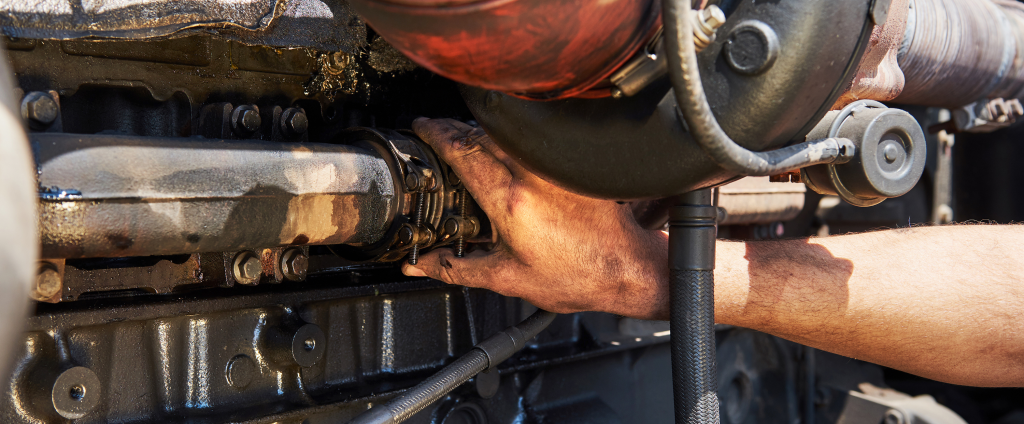
Your truck’s transmission system is a technological giant that keeps your truck running along just fine. (When it’s healthy of course!) Transmission flush is a regular maintenance process that pushes out dirty, old fluid and replaces it with new fluid to help keep your transmission’s parts safe and prolong its life.
While cost-cutting through do-it-yourself repairs may be enticing, transmission flushes on semi-trucks and diesel engines need special equipment and skill sets. At Supreme Truck Repair, we have encountered numerous failures of do-it-yourself attempts that cost a tremendous amount of money to fix what could have been done without had it been addressed professionally.
Imagine a transmission flush as a full blood transfusion for your truck. Just as you wouldn’t treat medical procedures on yourself, your truck’s transmission system must receive the same type of professional attention. The complexity of diesel engines and the specialty nature of semi-trucks ensure professional experience is not only a good thing but necessary to ensure your car remains in prime shape and operates at its optimal capacity.
Learning About the Transmission Flush Process
A home transmission flush calls for meticulous preparation and care. It begins with warming your engine – something important in heating the transmission fluid to flow freely within the system. You’ll be required to determine the condition of the existing fluid using the dipstick prior to commencing. Black fluid or smoke suggests likely problems that could necessitate a mere change of fluid instead of a complete flush.
Essential Tools for a DIY Transmission Flush:
- Floor jack and jack stands (or ramps)
- Screwdriver set
- Ratchet and socket set
- Wheel chocks or wooden blocks
- Drain pan
- Long neck funnel
- Shop rags or paper towels
- New transmission fluid
The sophistication of a transmission flush is the level of accuracy that’s needed throughout the process. You’ll need to have your vehicle parked on jack stands or ramps and stabilized before you can go underneath. The procedure involves delicate handling of parts and disposal of used fluid – jobs that become backbreaking labor without pro-grade equipment.
How dirty your transmission fluid is is the determining factor in whether or not a flush will be successful. Very dirty fluid might mean that there are underlying transmission issues that must be resolved prior to a flush. Trying to flush a very contaminated transmission might send debris throughout the system, eventually causing catastrophic damage to your vehicle’s transmission parts.
Trained technicians have transmission maintenance-specific tools specially prepared, including pressure gauges and fluid exchange machines. These kinds of equipment help to do a proper flush while maintaining the fluid under proper pressure across the system – something difficult to achieve without home specialist tools.
Transmission Flushing Methods
For transmission flushing, you have two primary methods at your disposal: the drop-the-pan method and the cooler line method. Let’s go over each strategy in detail.
1. The Drop the Pan Method
This traditional method requires removing the transmission pan to drain the fluid completely. You’ll need to:
- Remove the transmission pan carefully to avoid spilling fluid
- Clean the pan thoroughly, paying special attention to the magnets that collect metal particles
- Replace the transmission filter
- Reinstall the pan with a new gasket
- Refill with fresh transmission fluid
The drop the pan method offers thorough cleaning of the transmission pan and allows you to inspect internal components for wear. You can spot potential issues like metal shavings or debris that might indicate transmission problems. The downside? This method only removes about 40-50% of the old fluid, as some remains trapped in the torque converter and transmission cooler lines.
2. The Cooler Line Method
This more modern approach involves:
- Disconnecting the lower transmission oil cooler line at the radiator
- Placing a drain pan to catch the old fluid
- Running the engine while adding new fluid through the transmission fill tube
- Monitoring the color of the draining fluid until it runs clear
The cooler line method proves more effective at removing old fluid, with up to 90% of the old fluid replaced. It’s also less messy than the drop-the-pan method. The challenge lies in maintaining the proper fluid level during the process – running the transmission dry can cause severe damage.
Safety First
Regardless of your chosen method, prioritize these safety measures:
- Wear protective gloves and eye protection
- Use proper lifting equipment and jack stands
- Keep a fire extinguisher nearby
- Collect and dispose of old transmission fluid at approved recycling centers
- Work in a well-ventilated area to avoid inhaling fumes
Both operations involve precision attention and adherence to proper safety measures. The intricacy of these operations, along with the high financial risk of faulty work, makes professional servicing a prudent move for most car owners.
Considerations for Larger Vehicles like 18-Wheelers
18-wheelers and other large commercial trucks require special attention when it comes to transmission maintenance. These vehicles operate with complex transmission systems that demand precise handling and specific maintenance procedures.
Your truck’s manual serves as the primary guide for transmission maintenance requirements. Each manufacturer designs their transmission systems differently, and following the exact specifications ensures proper care and longevity of your vehicle.
The sheer size of commercial trucks impacts the transmission flush process in several ways:
Fluid Volume Requirements: Large trucks need significantly more transmission fluid compared to standard vehicles. Getting the quantity wrong can lead to serious transmission issues.
System Complexity: Commercial truck transmissions feature intricate cooling systems and additional components that require careful handling during the flush process.
Pressure Specifications: These vehicles operate under specific pressure requirements. Using incorrect pressure during a flush can damage sensitive transmission components.
Temperature Management: Large truck transmissions generate more heat due to their size and load capacity. The flush process must account for proper temperature control to prevent system damage.
The engineering complexity of 18-wheeler transmissions requires expert maintenance. An expert technician is aware of the special needs of your particular truck model and has the tools required to perform a complete transmission flush.
Advantages and Disadvantages of DIY Transmission Flush
A DIY transmission flush presents an appealing cost-saving opportunity. You’ll save on labor costs and potentially reduce your maintenance expenses by handling the service yourself. The satisfaction of maintaining your own vehicle adds another layer of appeal to the DIY approach.
The reality of DIY transmission flushes comes with significant risks:
Incomplete Flushing: Without professional-grade equipment, you might not remove all the old fluid and contaminants from your transmission system
System Damage: A single mistake during the process can lead to costly repairs or transmission failure
Diagnostic Limitations: You might miss underlying transmission issues that a trained mechanic would spot during the service
Time Investment: It needs an eye for detail and can be highly time-consuming in the absence of proper tools and experience
Transmission health has a direct relationship to the performance and lifespan of your truck. Although do-it-yourself maintenance is fine for maintaining the overall car, transmission systems require precision and professionalism. Professional service guarantees your transmission gets the right care from experienced mechanics who know the character of various types of transmissions and can detect issues even before they become costly repairs.
The money saved from Do-It-Yourself repair might seem enticing, but the cost of fix-ups due to improper maintenance is far more than professional service fees. Regular professional transmission service averts unexpected breakage and extends your vehicle’s lifespan.
Why Choose Supreme Truck Repair Professional Transmission Flush Service
At Supreme Truck Repair, our experienced technicians apply specialized knowledge to each transmission flush. Our technicians recognize the complex subtleties of semi-truck and diesel transmissions through hands-on exposure to heavy-duty rigs over many years.
We conduct a complete evaluation with the latest diagnostic equipment to examine the condition of your transmission before any service is performed. This complete check will detect problems that can impact the transmission flush procedure so that your truck receives the best possible outcome.
Our professional service includes:
State-of-the-art Equipment – Professional-grade tools and machinery designed specifically for heavy-duty trucks
Precise Fluid Selection – Expert knowledge of appropriate transmission fluid types and specifications for different truck models
Complete System Analysis – Comprehensive inspection of transmission components during service
Industry Best Practices – Unblemished compliance with manufacturer-prescribed methods and safety procedures
Our experienced technicians perform transmission flushes with care, providing your truck’s transmission system with the attention it deserves. We know what special needs large rigs like 18-wheelers have and keep strict records of each repair that is performed, granting you full transparency and confidence.
The transmission systems today require treatment by experts. At Supreme Truck Repair, we work with technical know-how coupled with quality control to provide you with quality transmission flush services that extend the life of your car and provide you with its best performance.
Choose Supreme Truck Trailer Repair
A transmission flush may seem like a simple DIY project, but the sophistication involved and the possible dangers make it a task that’s best left to professionals. The transmission system of your truck is a delicate system that should be handled only by experts. Supreme Truck Repair knows how complex transmission maintenance is for any kind of truck, ranging from light-duty trucks to 18-wheelers.
We invite you to enjoy safe truck repair from our expert technicians. Your truck should receive the best care in town – and that’s what we provide with every visit.
Ready to schedule your professional transmission flush? Give us a call today at (403) 603 0274 and schedule today!