
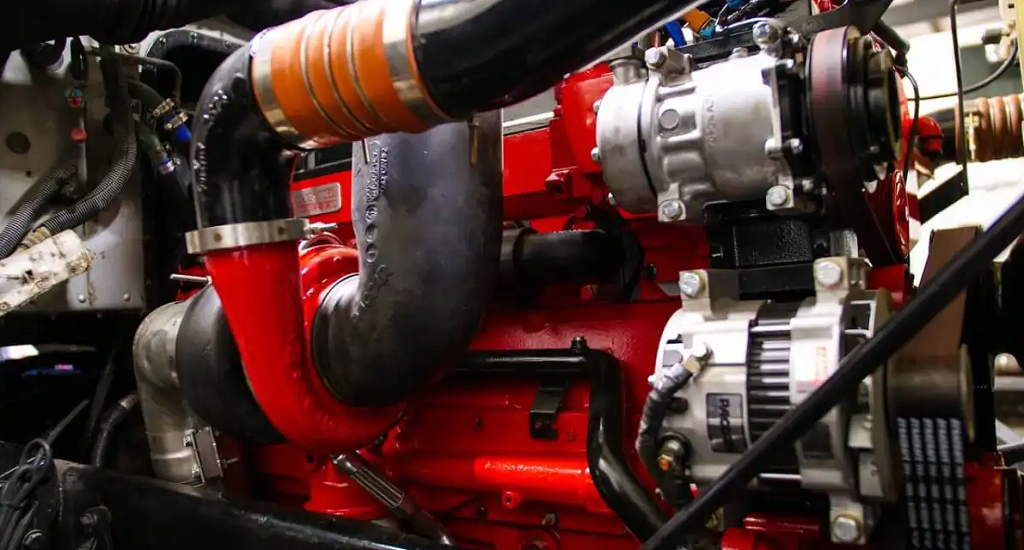
The SCR system is perhaps the most significant technological improvement in the history of modern diesel engine technology. It has transformed the way we can restrict emissions in big rigs. Selective Catalytic Reduction (SCR) was introduced in 2010 model-year vehicles as a groundbreaking solution to the centuries-old problem of deadly nitrogen oxides (NOx) emissions from diesel engines.
It is this kind of revolutionary emissions technology that is credited with being capable of accommodating different environmental standards while at the same time preserving the power and fuel economy of the diesel engine. The SCR system deals particularly with NOx emissions using a highly advanced chemical process where such emissions are oxidized into harmless forms of nitrogen, water, and carbon dioxide.
To semi truck repair and diesel repair technicians, SCR systems are a big deal. They are systems that require specialized knowledge to effectively troubleshoot and maintain, and knowledge of SCR is a valuable asset for anyone working on today’s diesel engines. SCR systems, when they fail, generate serious short-term effects in the performance of motor vehicles and regulatory compliance.
Understanding the SCR System: What It Does and How It Does It
SCR stands for Selective Catalytic Reduction, and it’s one of the most advanced exhaust emissions systems on the market, targeting specific pollutants in diesel emissions. It utilizes a highly accurate chemical reaction that’s programmed to eliminate unsightly nitrogen oxides (NOx) before they’re released from your car’s tailpipe.
How Does the SCR System Work?
The SCR system also features two major components: the diesel exhaust fluid (DEF) and the catalytic converter.
Catalytic Converter: The catalytic converter, as its name suggests, resembles a muffler but serves a different purpose. The converter contains special chemicals that help break down NOx emissions. The converter is installed in the exhaust system at a crucial spot to trap exhaust gases as they move towards the tailpipe.
Diesel Exhaust Fluid (DEF): DEF is an aqueous solution of urea. DEF is injected into the exhaust stream before the catalytic converter. In the mixing of hot exhaust gases with the DEF, a chemical reaction occurs within the converter.
What Occurs During the Chemical Reaction?
During the reaction, the urea in DEF combines with NOx emissions at high temperature and oxidizes them to harmless products:
Nitrogen: Nitrogen is a naturally occurring gas that constitutes approximately 78% of our atmosphere.
Water vapor: Water vapor is simply water in the gaseous state, which is not harmful to the environment.
Carbon dioxide: Carbon dioxide is a greenhouse gas that is emitted during combustion.
Why Is SCR Important?
The SCR system is also crucial in eliminating harmful diesel engine emissions. With an emphasis on reducing NOx, the system improves air quality and helps mitigate global warming.
In comparison to other control methods that could potentially impact all exhaust constituents, SCR has the sole purpose of removing nitrogen oxides without interfering with other gases. This specificity renders the system very effective and efficient in meeting stringent environmental regulations.
The Function of Diesel Exhaust Fluid (DEF) in SCR Systems
Diesel exhaust fluid (DEF) is a key component that enables the operation of selective catalytic reduction (SCR) technology. This protected product is a 32.5% purified urea and 67.5% deionized water blend, the ideal chemical combination required for reduction. DEF comes in a dedicated tank in your truck, identifiable by its recognizable blue cap, an international color coding standard that prevents cross-contamination with other liquids.
The blue cap tank design is not solely for identification. This storage system keeps the DEF contaminant-free and in a state of readiness to inject into the exhaust stream. The tank is typically 5 to 40 gallons, depending on the vehicle size, with larger semi-trucks requiring more capacity for extended operation.
Critical Importance of DEF Level Management
Maintaining proper DEF levels becomes absolutely crucial for your vehicle’s operation. When DEF levels drop too low, your engine management system triggers protective measures that can severely impact your driving experience:
- Engine derate warnings appear on your dashboard
- Limp mode activation restricts your vehicle’s performance
- Speed limitations can reduce your maximum speed to just 5 miles per hour
These restrictions aren’t designed to inconvenience you – they’re safety and compliance features that prevent your vehicle from operating without proper emissions control. Low levels of DEF, right down to zero, basically make your truck immobile, so frequent checks and refills are a critical part of truck maintenance.
Common Issues That Affect SCR Performance and Prevention
SCR contamination is arguably the most dangerous potential threat to your system’s functioning. Foreign debris in the DEF tank can compromise the entire selective catalytic reduction process, leading to costly repairs and unscheduled downtime.
Major SCR System Issues
1. Debris contamination
When foreign debris enters your DEF tank, it triggers a chain reaction of issues throughout the system. Dirt, dust, or other impurities can quickly ruin the quality of the fluid and destroy sensitive parts.
2. Crystallization of DEF
Low temperatures present special challenges for SCR equipment. In cold weather months, DEF crystallization is a significant issue because the fluid will freeze and form blocking crystals in critical pathways. Crystallization directly affects the injector’s function to dispense the correct amount of DEF to allow the proper NOx reduction.
How These Issues Impact Your System
Injector blockage represents the most common failure point when contamination or crystallization occurs. The DEF injector becomes clogged, preventing proper delivery of the fluid to the SCR catalyst. When this happens, you’ll notice warning icons appearing on your dashboard – a clear signal that your system requires immediate attention.
Prevention Strategies
- Keep your DEF tank clean by using only approved filling equipment
- Use quality DEF fluid from reputable suppliers to minimize contamination risks
- Keep DEF in temperature-controlled locations as much as possible
- Check regularly for crystallization or debris accumulation
- Replace filthy fluid immediately instead of trying to filter or clean it
This preventive maintenance saves you the expense of injector replacement and maintains your SCR system in its optimal operating condition.
Advantages of Applying SCR Systems on New Diesel Engines
The SCR system enhances the efficiency of diesel engines by strategically targeting NOx reduction, yielding substantial operating benefits. When your engine can concentrate on scrubbing out nitrogen oxides using selective catalytic reduction rather than suppressing their creation, it re-engineers the way your diesel powerplant operates.
Your workhorse truck becomes more powerful from the engine, so it accelerates and can climb hills more easily. Increased gas mileage means less time spent at the truck stop and lower operating expenses per mile.
Higher Operating Temperatures = Better Performance
SCR technology enables your engine to operate at elevated temperatures, where combustion becomes significantly more efficient. Since the system handles NOx emissions after they’re produced, your engine doesn’t need to compromise its operating parameters to prevent their formation. This temperature increase directly translates to:
Enhanced combustion efficiency – Your fuel burns more completely at optimal temperatures
Reduced dependency on EGR systems – Less exhaust gas recirculation means cleaner intake air
Improved thermal dynamics – Better heat management throughout the engine cycle
Real-World Performance Gains
The transition to engine efficiency with the use of SCR provides quantifiable benefits you’ll feel on the interstate. Your heavy-duty truck gains extra power from the engine, which translates into smooth acceleration and climbing hills. More efficient fueling translates into fewer truck stop stops and cheaper per-mile operating expenses.
The increase in performance is most beneficial in the long haul, where each percentage point of efficiency increase is worth real money. Your engine is closer to its design potential, rather than being hampered by emissions control restrictions imposed by previous technologies.
Maintenance Tips to Keep the Best SCR System Performance
Regular maintenance of the SCR will keep your diesel engine purring and prevent costly downtime. The blue-capped DEF tank is on your list first – monitor fluid levels regularly to prevent your truck from entering the dreaded limp mode, which restricts it to a crawling 5 mph. Running out of DEF isn’t just inconvenient; it’s a compliance nightmare that can strand you on the roadside.
Essential maintenance practices include:
Monitor DEF quality – Look for signs of contamination, like debris floating in the tank
Inspect for crystallization – Cold weather causes DEF to crystallize, potentially clogging the injector
Keep the tank clean – Prevent debris from entering during refills
Use quality DEF – Cheap fluid can damage expensive system components
When you see the SCR warning light flashing on your dashboard, take care of it as soon as possible. Crystallized DEF will clog the injector and either need to be cleaned out professionally or replaced entirely. Regular maintenance by trained technicians (like ours here at Supreme Truck and Trailer Repair) find such problems before they become expensive repairs, keeping your emission systems in spec while your truck remains profitable on the road.
Your Leading Solution to SCR System Problems and Diesel Repairs
When your SCR system displays warning lights or your truck enters limp mode, you need mobile semi-truck repair specialists who understand the urgency. We at Supreme Truck and Trailer Repair deliver comprehensive diesel repair services with round-the-clock availability, ensuring your heavy-duty vehicle gets back on the road quickly.
Our experienced technicians specialize in the complexities of the SCR system, from DEF injector replacements to catalyst repairs and maintenance. We handle everything from contaminated DEF tank cleanouts to crystallization issues that plague cold-weather operations.
What sets us apart:
- 24/7 emergency response for roadside breakdowns
- Complete SCR system diagnostics and repairs
- Off-road recovery services for stranded vehicles
- Mobile service units equipped with professional-grade tools
You don’t have to worry about finding a repair shop or dealing with expensive towing fees. Our mobile units come directly to your location, whether you’re stuck at a truck stop, on the highway, or at your facility. We understand that downtime costs money, so we work efficiently to diagnose and resolve SCR-related issues on-site whenever possible.
Choose Supreme Truck and Trailer Repair
Your truck’s SCR system works tirelessly to keep you in sync and on the road. Regular maintenance checks, checking DEF levels, and inspecting warning signs early help prevent costly repairs and unscheduled downtime, which can run into the thousands.
When problems occur with your truck’s SCR – contaminated DEF, crystallization issues, or malfunctioning injectors – you should seek professional help immediately. Don’t let emission system problems leave you stranded on the side of the road or stick your truck into limp mode.
Ready to roll again? Call us at (403) 603 0274 for same-day professional service. Our experienced technicians understand the complexities of the SCR System, also known as Selective Catalytic Reduction, and provide reliable solutions that keep your heavy-duty vehicle running safely and efficiently, no matter where the road takes you.