
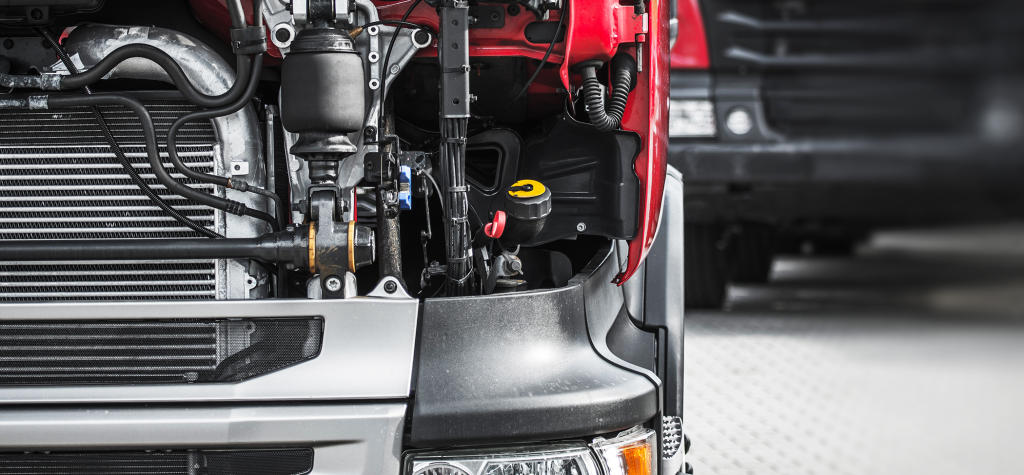
Your diesel engine is the lifeblood of your heavy-duty truck, and whether it’s running or not has a direct impact on your bottom line. When you’re moving loads cross-country, engine reliability is not a nice-to-have—it’s a requirement. Knowing when your diesel engine requires a rebuild can keep you out of the cycle of paying out thousands on surprise breakdowns and high-cost roadside repair.
What your truck requires when it begins to exhibit unmistakable signs of internal decay: excessive oil loss, palpable loss of power, poor fuel efficiency, and an enormous amount of blow-by. These are unmistakable signs that significant components within your engine are deteriorating and must be addressed before they completely seize.
Timely diesel repair and rebuild save your truck years of its life, restore it to its former level of performance, and provide better fuel economy. Proactive maintenance versus reactive repair can be the difference between a profitable business and costly downtime that takes you out of commission.
Warning Signs that a Diesel Engine Rebuild is Necessary
Your diesel engine speaks volumes about its health through certain warning signs that shouldn’t be disregarded. The following are some of the most important indications that it might be rebuild time:
Increased oil consumption: This is usually the initial red flag, which points towards worn piston rings or cylinder walls that can permit oil to burn in the combustion chamber.
Loss of power: You’ll be able to tell that you’re losing power if you’re accelerating or hauling heavy loads, and it’s going to directly affect your truck’s capability of getting the job done.
Low compression: It typically accompanies loss of power and diminishes the engine’s capacity to create the force needed for maximum power.
Too much blow-by: When the combustion gases leak from worn piston rings into the crankcase, building up pressure to force the oil out through seals and breather systems, you’ll see it as oil vapor or smoke emitting from the engine.
Slipping fuel economy: This indicates internal combustion efficiency wear. When your engine uses more fuel to generate the same power output, internal parts likely need service.
Cooling issues with the oil system: Contamination of the oil with coolant is a critical situation when it occurs, so you’ve either got leaking head gaskets or cracked parts that need immediate professional checks.
Understanding Diesel Engine Overhaul vs. Engine Swap
When facing major engine problems, you have two primary options: engine overhaul or engine swap. An engine overhaul involves completely disassembling your current engine, replacing worn components like pistons, rings, bearings, and gaskets, then reassembling everything to restore original performance levels.
An engine swap means removing your existing engine and installing a different one, typically a used unit. Here’s how the costs break down:
Cost Comparison
Engine Swap Expenses:
- Used engine with half-million miles: $7,000-$8,000
- Labor cost: $4,500-$5,000
- Total: $11,500-$13,000
Engine Overhaul Benefits:
- New components reduce future breakdown risks
- Restored original performance specifications
- Known maintenance history of your engine block
Overhaul vs. engine replacement depends on the general condition of your truck and your intentions in the future. You receive a half-million-mile used engine with mystery factors, whereas an overhaul yields new parts with known parameters.
Advantages and Disadvantages of Diesel Engine Overhaul
When you invest in an overhaul of your diesel engine, you’re giving your truck a new lease on life. Worn-out, battered parts are exchanged with brand-new ones, and your engine comes back to nearly factory-level performance. You’ll notice significant improvements in oil pressure restoration and power restoration, bringing back that reliable pulling power you remember from when your truck was newer.
Fuel economy improvement becomes immediately apparent after a proper overhaul. Your engine now operates more smoothly due to new pistons, rings, and bearings, with the cost savings to you coming directly at the pump. The close fit of new components removes energy losses associated with used equipment.
Overhaul risks do exist and must be heeded. Substantial expense can quickly add up if the surprise ailments emerge in teardown – tired gear trains, defective camshafts, or crankshaft turbo issues run into thousands of dollars. Finding good engines or components is another catch, with questions on availability and authenticity.
Your selection of a service provider is in play in preventing these risks. Trustworthy shops staffed with experienced diesel technicians preclude the opportunities for corner-cutting that devalue your investment. Good workmanship guarantees your overhaul provides the increased performance gains for which you pay.
Things to Keep in Mind When Making a Decision on a Truck Overhaul
Prior to a diesel engine rebuild investment, a truck condition inspection should be performed carefully. You should inspect your semi truck’s frame integrity, transmission condition, and suspension parts. Rebuilding an engine on a truck with extensive frame damage or tired drivetrain components is never cost-effective.
Your repair history check is quite crucial in determining rebuild worthiness. Check maintenance records for neglect patterns or quality service patterns. Trucks with a known history of routine oil changes, filter work, and prompt repairs perform best for overhauling than those with questionable maintenance records.
You will need to diligently determine the investment-to-lifespan ratio. That good truck with an overhaul of quality can give the engine an additional 300,000-500,000 miles. But if your truck is already paid for and in good running condition, the huge overhaul cost may not be worth it compared to running it on regular maintenance until it becomes necessary for replacement.
Preferred Diesel Engines and Their Overhaul Considerations
When choosing which diesel engine to overhaul, Volvo trucks’ D12 engines and D13 engines stand out as the top choices for fleet owners and operators. These power plants gained their reputation with better construction quality and higher durability, and are therefore the perfect candidate for an overhaul.
The D12 and D13 engines include major cost-saving overhauls. A rough estimate of a D13 overhaul kit costs between $10,000-$11,000, which is much lower than similar Detroit DD13/DD15 kits. That can save you thousands without sacrificing reliable performance.
MaxxForce engines have unique rebuild challenges that are not welcome in most shops. They usually demand special expertise and may carry unanticipated problems that send their prices and their repair lead times through the roof.
Volvo’s engineering genius excels in cold-weather toughness, where other engines only fall short. D12 engines, having older technology, are still worth the money for their rugged construction that overlooks complicated emissions systems, simpler to repair, and fewer locations to fail.
Choosing the Optimum Repair Facility for Diesel Engine Rebuilds
Independent shop vs. dealer work is a selection critical to your overhaul expense. Independent shops provide lower hourly fees, which may appeal to frugal fleet managers. Higher prices are provided by dealerships; however, with high part replacement requirements to satisfy their warranty program, this sends overall expenses beyond the base overhaul cost.
Reputation is your guard against shoddy work. Less well-known shops will skimp on crucial processes that sacrifice engine life and efficiency. High-quality shops insist on proper procedures such as liner height checks to avoid head gasket failure – a step between master rebuilds and cram jobs.
When evaluating potential repair partners, consider these factors:
- Hourly labor rates and transparency in pricing
- Warranty coverage terms and mandatory part requirements
- Shop reputation within the trucking community
- Experience with your specific engine model
The decision between independent and dealership service ultimately depends on balancing cost considerations against warranty protection and service quality expectations.
Technical Aspects Crucial to a Successful Overhaul
Having the technical information close at hand on a diesel engine rebuild is what will make a successful rebuild over expensive comebacks. Some of the following are important to know:
- Counter bores: Need accurate measurement so that parts will fit and there will be no unnecessary wear. Even slight variations will result in a major headache down the line.
- Liner height check: Stands as one of the most critical steps in preventing head gasket failures after your overhaul. When liner height isn’t properly verified, you risk compression loss and coolant contamination that can destroy your freshly rebuilt engine within months.
- Cylinder head installation: Presents its own set of challenges. Avoiding cracks during the process requires careful handling and proper torque sequences. Valve seal integrity must be verified to prevent oil consumption issues that plagued your engine before the rebuild.
- Machine shop quality: Varies dramatically across the industry. Some shops fail to detect critical defects like head cracks under pressurization testing. These slights will lead to disastrous breakdowns soon after you have your truck running, making what otherwise would have been a great rebuild experience a costly nightmare.
Managing Unexpected Costs During Diesel Engine Rebuilds
As a diesel engine is disassembled, problems not revealed during initial diagnosis will likely surface. Camshaft failure tends to become apparent when taking engines down, particularly when engines have been running on dirty oil or with inadequate lubrication. The camshaft lobes can have significant wear or pitting, requiring complete replacement rather than just reworking.
Turbo crank issues present another costly surprise. What appears to be a standard rebuild can quickly escalate when you discover the turbocharger’s connection points have suffered damage or excessive wear. This damage often extends beyond the visible components, affecting the engine’s internal balance and requiring additional machining work.
Gear train wear becomes apparent only after disassembly. Worn timing gears, oil pump drives, and related components can add thousands to your repair bill. These parts work in precise harmony, and replacing one often means replacing the entire system to maintain proper tolerances.
These hidden problems can delay your rebuild timeline by weeks or even days, depending upon the availability of components. Warranty coverage for such unexpected finds is normally not provided, which makes contingency provision inevitable in planning your engine overhaul.
Duration of Overhaul Process and Warranty Conditions
An entire diesel engine rebuild usually requires 52-60 hours of technical time to complete correctly. That amount of time involves total teardown, inspection, machining, and reassembly work to put your engine back into top operating condition.
Breaking process is now essential after your overhaul is done. You’ll receive detailed breaking-in instructions with your invoice that you need to adhere to in order to save your investment. These instructions properly seat new parts and provide you with maximum performance on the very first day.
Quality shops stand behind their work with broad warranty protection. A 100,000-mile one-year warranty demonstrates faith in the rebuild quality. It will cover you for workmanship and materials defects, but there are exceptions – engine overheating will void the warranty, and reinforcing maintenance after overhaul.
The terms of the warranty demonstrate the shop’s dedication to quality and give you peace of mind when you return your rebuilt engine to service.
Considerations on Emissions Systems in Overhauls
Emissions systems add a good amount of sophistication to diesel engine overhauls, creating special challenges that need to be addressed by the shop owner with careful consideration. New emissions control systems are highly integrated into engine components, so overhauls are more complex and time-consuming than old-style rebuilds.
Warranty Issues
Emissions deletion creates some warranty issues for repair shops. Most shops choose not to rebuild engines with deleted emissions systems because of possible warranty implications and legal concerns. Deleting or altering emissions parts can invalidate manufacturer warranties and create liability issues.
Tuning Challenges
Tuning challenges emerge when emissions systems have been modified or removed. Shops must determine whether to restore original emissions equipment or work within existing modifications. This decision impacts both the overhaul approach and long-term reliability expectations.
Complexity of Repairs
Interconnectedness of emissions components with engine management systems ensures that warranty implications reach far beyond the rebuilt engine itself. Sensors, exhaust after-treatment systems, and computer controls are all part of the overhaul equation, which would rise in both cost and complexity for complete repair.
Choose Supreme Truck and Trailer Repair
Whether to rebuild a diesel engine depends upon proper analysis of your truck’s symptoms and technical advice. Choosing between rebuilding and replacing has a significant impact on your bottom line and operating efficiency.
We at Supreme Truck and Trailer is dedicated to comprehensive diesel repair and semi truck service for owner-operators and fleet operators as well, with precision and reliability. Capable diesel mechanics offer comprehensive checks to enable you to make knowledgeable choices on engine overhauls.
Don’t let engines freeze when you notice signs like excessive oil consumption, power loss, or bad gas mileage. Call us today at Supreme Truck and Trailer at (403) 603 0274 for expert diagnosis and reliable diesel repair solutions that will get your trucks running better without costing you precious downtime.