
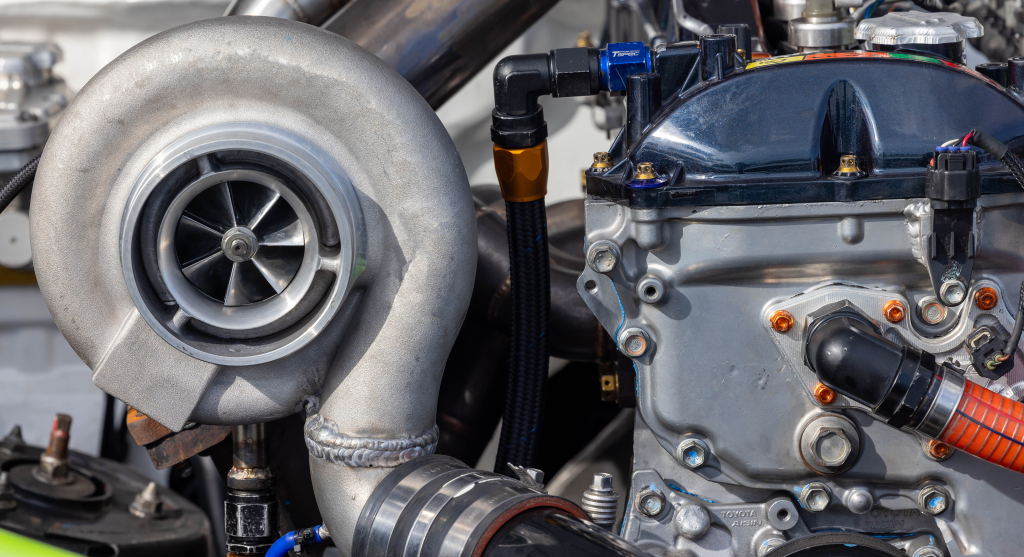
Have you ever wondered how does a turbo work? Why does a diesel engine need a turbo? These questions are crucial for understanding the performance of modern diesel trucks. Turbochargers have become essential components in today’s heavy-duty vehicles, transforming how diesel engines deliver power and efficiency on the road.
In the world of semi truck repair and maintenance, turbochargers represent one of the most critical systems requiring expert attention. These sophisticated devices don’t just boost engine performance, they’re fundamental to achieving the power-to-weight ratios that make modern trucking operations economically viable.
When your diesel engine relies on forced induction to meet demanding hauling requirements, you need mechanics who understand every aspect of turbo operation. At Supreme Truck and Trailer, our experienced diesel mechanics bring years of hands-on expertise to turbocharged engine systems. We’ve built our reputation on delivering reliable diesel repair services that keep your fleet running efficiently, whether you’re dealing with routine maintenance or complex turbo-related issues that require immediate attention.
How a Turbocharger Works
To understand how a turbocharger works, it’s important to know about its two main parts that work together perfectly. A turbocharger has two wheels: a turbine wheel and a compressor wheel. These wheels are connected by a shaft and are housed in separate chambers.
The Role of the Turbine Wheel
The process starts when your diesel engine produces exhaust gases. These hot gases flow from the exhaust manifold directly into the turbine housing, where they hit the blades of the turbine wheel. The specially designed blades on the turbine wheel are responsible for converting the energy from the exhaust gases into rotational motion.
The exhaust gas turbine spins at incredibly high speeds – often exceeding 100,000 RPM – converting the waste energy from your engine’s exhaust into rotational motion.
The Role of the Compressor Wheel
As the turbine wheel spins, it also drives the compressor wheel on the other end of the shaft. The compressor wheel pulls in clean air through your air filter and compresses it, creating boost pressure that forces significantly more air into your engine’s cylinders than natural aspiration alone could achieve.
This compressed air then goes through an intercooler (which we’ll discuss later) before entering your engine’s intake manifold. By using this forced induction system, your Detroit Series 60 or any modern diesel engine can produce significantly more power and torque without needing a larger engine size. Turbocharging has become essential for meeting today’s performance and efficiency requirements.
Why Diesel Engines Need Turbocharging
Diesel engine efficiency becomes dramatically enhanced when paired with turbocharging technology. As Jose explains in the video, turbos serve a fundamental purpose: “for efficiency number one, also to create more power.” This dual benefit addresses one of the biggest challenges in diesel engine design – maximizing power output without increasing the physical size of the engine.
How Turbocharging Works
The magic happens through forced induction, where the turbocharger literally forces more air into the engine cylinders than would naturally occur through atmospheric pressure alone. This process transforms how your diesel engine breathes and performs:
Increased air density: More oxygen molecules packed into each cylinder means better fuel combustion
Enhanced power-to-weight ratio: You get significantly more horsepower without adding engine displacement
Improved fuel economy: Better combustion efficiency translates to more miles per gallon
The Benefits of Turbocharging
When your turbocharger supplies more oxygen-rich air to the cylinders, it creates optimal conditions for complete fuel burn. Think of it like giving your engine a deeper breath – the more oxygen available, the more thoroughly the diesel fuel can combust. This complete combustion process not only generates more power but also reduces waste and improves overall engine performance.
Without turbocharging, diesel engines would need much larger displacement sizes to achieve the same power levels, making them impractical for modern trucking applications where weight and space constraints are critical factors.
Benefits of Intercoolers in Turbocharged Diesel Systems
When your turbocharger compresses air, it generates significant heat as a byproduct of the compression process. This is where the intercooler function becomes critical in your diesel engine’s performance equation. The intercooler acts as a heat exchanger, positioned between the turbocharger’s compressor outlet and your engine’s intake manifold.
How Intercoolers Work
Intake air cooling transforms hot, compressed air into dense, oxygen-rich air that your engine craves. As Jose demonstrates in the video, “you’re gonna have your boost coming on this side going into the intercooler that’s gonna get cold, come into the intake.” This cooling process increases air density dramatically – cooler air contains more oxygen molecules per cubic inch than hot air.
The Benefits of Using an Intercooler
The science behind this process delivers measurable boost efficiency improvements:
Enhanced combustion quality – Dense, cool air provides more oxygen for complete fuel burn
Increased power output – More oxygen enables your engine to burn more fuel efficiently
Reduced engine knock – Lower intake temperatures prevent premature ignition
Improved fuel economy – Better combustion means less wasted fuel
Your intercooler essentially maximizes the turbocharger’s work by ensuring the compressed air reaches your cylinders at optimal temperature and density. Without this cooling step, the hot compressed air would be less dense and provide diminished performance benefits, making the intercooler an indispensable component in answering “How does a turbo work? Why does a diesel engine need a turbo?”
Maintaining Turbochargers for Longevity and Reliability
Your turbocharger’s lifespan depends heavily on proper turbo oil feed and drainage systems. As shown in the video, the oil feed line supplies crucial lubrication to the turbo shaft bearings, while the oil drain line removes excess oil back to the engine block. These bearings spin at incredibly high speeds – sometimes exceeding 100,000 RPM – making adequate lubrication absolutely critical for preventing catastrophic failure.
The turbo oil feed system must deliver clean, pressurized oil consistently to keep those high-speed bearings properly lubricated and cooled. When this system fails, you’ll quickly see bearing damage that can destroy your entire turbocharger assembly.
Essential turbo maintenance practices include:
Regular oil changes – Fresh, clean oil prevents bearing wear and maintains proper lubrication viscosity
Inspecting oil feed lines for restrictions, kinks, or blockages that could starve the turbo of oil
Checking oil drain lines for clogs that cause oil backup and potential seal failure
Monitoring for oil leaks around turbo connections and gaskets
Allowing proper cool-down time after heavy operation to prevent oil cooking in the turbo housing
Daily visual inspections can catch problems early. Look for oil residue around the turbo housing, intercooler pipes, or intake components – these are clear warning signs that your turbo seals may be compromised and immediate attention is needed.
Identifying Common Issues with Diesel Engine Turbos
Recognizing turbo failure signs early can save you from costly repairs and unexpected breakdowns. Your diesel engine will communicate problems through several telltale symptoms that demand immediate attention.
1. Loss of Power
Loss of power represents the most noticeable indicator of turbo trouble. When climbing hills or pulling heavy loads, you’ll feel your truck struggling to maintain speed or acceleration. This power reduction often stems from boost leaks in the intercooler system or damaged CAC piping that prevents proper air pressure from reaching your engine.
2. Visual Inspection
Visual inspection reveals critical clues about turbo health. Oil contamination on the intercooler, intake piping, or around the turbo housing signals internal seal failure. As demonstrated in the video transcript, oil seepage through hoses on the intake side creates visible evidence of turbo problems that mechanics and drivers can easily spot during routine inspections.
3. Audible Symptoms
Audible symptoms include:
- Unusual whistling or whining noises from the turbo
- Loud hissing sounds indicating boost leaks
- Rattling from damaged turbine blades
Daily hood inspections help catch these issues before they escalate into major failures, protecting your investment and ensuring reliable performance.
Proactive Measures to Ensure Turbo Health During Diesel Repairs
Regular diesel repair inspection practices are essential for keeping turbos in good condition. During routine semi truck preventive maintenance, mechanics should check the oil feed and drain lines for any blockages or leaks that could prevent the turbo bearings from getting the lubrication they need. This is important because proper lubrication keeps the turbo shaft bearings working smoothly.
Importance of Visual Inspections
Visual inspections during PM services can help identify potential problems before they turn into major failures. Here are some signs to look out for:
- Oil residue on intercooler pipes and CAC (Charge Air Cooler) components
- Cracked or loose intercooler hoses that could cause boost leaks
- Damaged flex pipes in the exhaust system
- Oil accumulation around turbo housing connections
Daily Hood Inspections
As mentioned by the expert in the video, drivers can also play a role in catching issues early through daily hood inspections. If your truck’s engine bay usually stays clean and dry, any sudden appearances of oil could indicate developing problems with the turbo. It’s important for drivers to have a basic understanding of how turbos work and why diesel engines need them so they can recognize when these crucial parts aren’t functioning properly. This knowledge can help prevent minor issues from turning into costly repairs.
Expertise You Can Trust: Supreme Truck and Trailer’s Turbo Repair Services for Heavy-Duty Trucks
When your diesel engine’s turbocharger needs attention, you need diesel repair specialists who understand the intricate workings of these complex systems. Supreme Truck and Trailer brings years of hands-on experience working with turbocharged engines across all major heavy-duty truck brands, from Detroit Diesel to Caterpillar and Cummins.
Our certified technicians have the expertise to diagnose turbo-related issues quickly and accurately, whether you’re dealing with oil leaks, boost pressure problems, or complete turbo failure. We specialize in heavy-duty truck maintenance that keeps your fleet running efficiently, understanding that downtime costs you money.
From routine turbo inspections during preventive maintenance to complete turbocharger rebuilds and replacements, Supreme Truck and Trailer delivers reliable turbo repair services. Our shop is equipped with the latest diagnostic tools and genuine OEM parts to ensure your turbo system performs at peak efficiency, helping you maintain the power and fuel economy your business depends on.
Choose Supreme Truck and Trailer Repair
Your turbo system deserves the same attention you give to other critical truck components. Neglecting turbocharger maintenance can lead to expensive repairs, unexpected breakdowns, and lost revenue from downtime. The complex relationship between exhaust gases, boost pressure, and engine efficiency means even small issues can quickly escalate into major problems.
Don’t wait until you notice oil leaks or loss of power. Regular inspections and proactive maintenance keep your diesel engine running at peak performance. When you need expert turbo care or comprehensive diesel repairs for your semi truck, trust the professionals who understand these systems inside and out.
Ready to protect your investment? Call (403) 603-0274 and let Supreme Truck and Trailer’s experienced team handle your turbocharger needs today.