
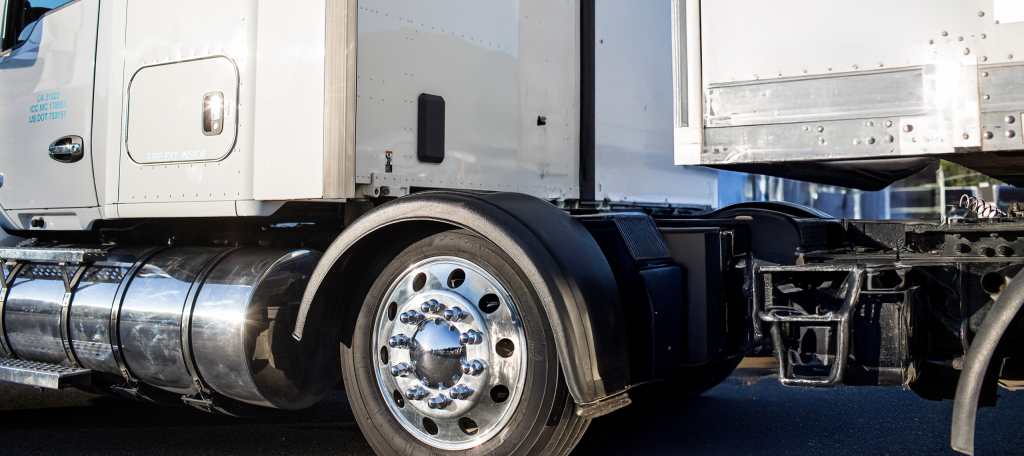
If you’re driving heavy-duty trucks, then you’ve probably had your share of aftertreatment issues somewhere down the line. These sophisticated emissions systems are what keep your diesel engines in compliance with environmental regulations, scrubbing toxic pollutants before they reach the atmosphere. Consider them your truck’s green police officer, working tirelessly day and night to minimize emissions as you transport products across the nation.
The truth is: aftertreatment systems need attention. Neglect maintenance, and you’re facing expensive breakdowns, irritating derates, and possible violations. Whether you’re managing a fleet or driving your own truck, it’s critical that you receive these systems so your trucks can keep on rolling.
In this article, here, we are considering the typical problems of aftertreatment, pitting two big filter designs you’ll be working with against each other:
Box design (one-box or integrated systems)
Stacked design (discrete component systems)
Every style has its idiosyncrasies, maintenance needs, and expense. Let’s break down what you have to do to maintain your diesel repair costs under control and your trucks humming along.
Diving into Aftertreatment Systems and Filter Styles
Your truck’s aftertreatment system consists of many integrated aftertreatment components doing their part to lower those bad emissions. Let’s break down what each one does and why it’s important for your maintenance cycle.
The Three Key Players
Diesel Oxidation Catalyst (DOC) – That’s the unit at the front of your aftertreatment system that reduces carbon monoxide and hydrocarbons into less harmful substances. It’s the front line in cleaning up your exhaust.
Diesel Particulate Filter (DPF) – After the DOC, the DPF traps and contains soot particles from your exhaust. Once full, your truck receives a regeneration cycle that incinerates the stored soot with hot temperatures.
Selective Catalytic Reduction (SCR) – The system operates by using DEF (Diesel Exhaust Fluid) to reduce nitrogen oxides to harmless water vapor and nitrogen. Your SCR is where your DEF is injected, and it is instrumental in emissions compliance.
One-Box vs. Stacked: What’s the Difference?
Filter designs on current trucks fit into one of two broad groups, and the kind you’ve got plays a major role in your repair ease and cost of maintenance.
Stacked Design (Separate Components)
- Each component (DOC, DPF, SCR) can be serviced individually
- More cost-effective when repairs are needed
- Easier to diagnose specific component failures
- Preferred choice for fleet maintenance
One-Box Design (Integrated System)
- All components are housed in a single unit
- Introduced around 2016-2017, depending on the manufacturer
- Higher replacement costs since you can’t swap individual parts
- Some limited serviceability (DPF cleaning in certain models)
When you’re looking at purchasing a truck or planning your maintenance budget, the filter design makes a real difference. With stacked systems, you might replace just a DPF for a few thousand dollars. With one-box systems, you’re looking at replacing the entire unit, which can run significantly higher.
Common Issues Related to Filter Designs
Where there is aftertreatment maintenance involved, certain issues crop up more often than others, and they are usually directly associated with the filter design that you are designing. Let’s go over what you’re most likely to see in your shop.
Clogged Injector Problems
The seventh injector (also called the dosing injector) is a common culprit when your truck throws a “not reaching temperature” code. We recently had an owner-operator with a DD15 come in with exactly this issue. The injector was completely clogged up, preventing enough fuel from being pushed out to reach the required DPF temperatures. During a regen cycle, we watched the temperature struggle to climb past 300°F for about 20 minutes. Once we replaced that clogged injector, the temperatures shot up immediately.
This isn’t engine-specific either, you’ll see this across all makes and models. The injector needs to deliver precise fuel amounts to generate the heat necessary for burning off accumulated soot in the DPF.
Temperature Sensor Complications
Your aftertreatment system relies on two temperature sensors to monitor conditions throughout the regeneration process. These sensors can fail outright, but there’s another scenario that catches people off guard: improper sensor placement.
This typically happens after a DPF cleaning when sensors get reinstalled in the wrong locations. When sensors are swapped, your ECM receives incorrect temperature readings, which prevents proper regeneration cycles from completing. The system thinks it’s reading one temperature when it’s actually measuring another spot entirely. Always label your sensors before removal, it’s a simple step that saves major headaches.
Insufficient Airflow Issues
Here’s something that might surprise you: a boost leak can prevent your aftertreatment system from reaching proper temperatures. We diagnosed a unit recently where the charge air cooler had busted up in the front. Air was flowing down instead of where it needed to go, resulting in insufficient temperatures for regeneration. The seventh injector was fine, the sensors were good, but that air leak was sabotaging the entire process.
Other Challenges Faced by Aftertreatment Systems
Beyond temperature and sensor issues, your aftertreatment system faces another serious threat: DEF crystallization. This issue often initiates in the mixing chamber, where diesel exhaust fluid is injected into the exhaust flow. If air enters this chamber by way of cracks or loose seals, it subjects the DEF to environments that result in crystallization and hard deposit formation.
The mixing chamber resides between your DPF and SCR components, and it’s extremely susceptible to cracking. Volvo trucks, for instance, commonly develop cracks right at the airline connection near the DEF injector. We’ve also spotted cracks on the lower side of these chambers. Even a hairline crack can spell trouble – it allows air infiltration that triggers crystallization, creating a build-up that restricts exhaust flow and compromises your entire aftertreatment system’s performance.
Critical inspection points include:
- The top section of the mixing chamber (most common failure point)
- Lower chamber sections where stress cracks develop
- V-clamps and bellows connections
- Areas directly surrounding the DEF injector
Winter months intensify these problems. Cold temperatures accelerate crystallization when air leaks are present. You’ll want to inspect these areas regularly, looking for any signs of white, crusty DEF deposits. If you spot cracks, they need immediate welding and proper sealing – temporary fixes won’t cut it. The build-up will only worsen, eventually causing expensive system failures and leaving you stranded with derate codes.
Maintaining Electrical Integrity for Reliable Aftertreatment Functionality
Your aftertreatment system relies on sensors to communicate with your engine control module (ECM) as well, and when the equipment malfunctions, you’re looking at potential downtime and expensive repairs. Two sensors in particular should be the center of your special attention: the differential pressure sensor and the knock sensor.
Understanding Differential Pressure Sensor Failure
The differential pressure sensor measures the pressure difference between the DPF inlet and outlet. This reading tells your ECM exactly how clogged your filter is getting. When this sensor fails, your truck loses its ability to accurately monitor filter condition. You might experience:
- False regeneration cycles that waste fuel
- Missed regeneration warnings that lead to severe clogging
- Derate conditions even when your filter is clean
The sensor itself can fail, but don’t overlook the tubes connecting to it. We’ve seen plenty of cases where clogged or blown tubes create the same symptoms as a bad sensor.
Knock Sensor Issues and DEF Dosing
Your knock sensor reads nitrogen oxide (NOx) levels leaving the engine, which determines how much DEF your system needs to inject. These sensors are among the most frequently replaced components we handle at our shop. When they malfunction, your DEF dosing becomes inaccurate, leading to emissions problems and potential derates.
We strongly recommend OEM knock sensors. Our experience with aftermarket versions taught us an expensive lesson about quality differences. If you’re purchasing a used truck with an unknown maintenance history, swapping the knock sensor proactively can save you from roadside breakdowns.
Tips for Effective Maintenance and Troubleshooting of Aftertreatment Systems
DEF pump issues have evolved significantly over the years. Earlier models used air-operated pumps (around 2011-2012), which experienced frequent reliability problems. The industry shifted to electrical vs air-operated pumps, with electric designs proving more dependable. If you’re running older equipment, understanding which pump design you have helps anticipate potential issues.
Keep your DEF pump healthy with these maintenance priorities:
Replace filters on schedule – Clogged filters are the most common cause of pump failure. Don’t wait for symptoms to appear
Check for leaks regularly – Even small leaks can compromise system performance
Inspect lines for kinks – Restricted flow prevents proper DEF delivery, triggering derate codes
Address storage issues – Trucks sitting idle for extended periods can develop flow problems
Protecting Your Electrical System
Wiring harness problems create cascading failures throughout your aftertreatment system. The source cause most often is the result of faulty diagnostic methods. When new DIY mechanics or inexperienced techs stab wires rather than back-probing, they subject conductors to corrosion and moisture.
Check harness connections on all aftertreatment equipment, especially in locations where previous repair has taken place. Corrosion at connection points mimics sensor failures, leading to unnecessary part replacements. Before swapping any sensor, verify the wiring integrity first. This simple step saves you from replacing good components while the real problem persists in damaged wiring.
Choose Supreme Truck and Trailer Repair
Knowing the benefits and pitfalls of one-box versus stacked filter designs, and the problems that afflict aftertreatment systems, makes you better able to maintain your heavy-duty trucks running smoothly. No matter whether you are fighting issues such as dirty seventh injectors, crystallized DEF, or faulty sensors, detection early on saves you time, money, and maybe downtime.
The complexity of modern emission systems means that having a trusted partner for your diesel repair services makes all the difference. At Supreme Truck and Trailer, our experienced technicians specialize in diagnosing and repairing aftertreatment issues across both boxed and stacked filter designs. We’ve seen it all—temperature sensor malfunction to catch rust—and we know how to have your truck running in a matter of no time.
Issues With After-Treatment: About Various Filter Models shouldn’t be daunting when you have someone in your corner. If you are a fleet or on your own, we’re here to make these issues simpler for you.
Looking forward to having your aftertreatment issues addressed? Reach out to us at Supreme Truck and Trailer at (403) 603-0274 for your diesel repair in the skilled hands of experienced professionals.